Paint 101: A Comprehensive Guide to Artist Paints
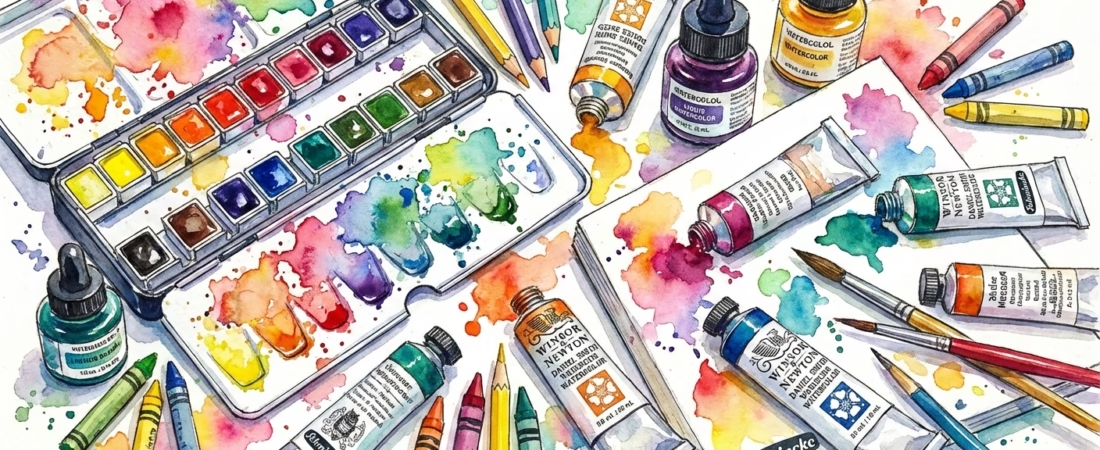
 Paint is a fascinating medium that continues to evolve with new technologies, formulations, and safety standards. As artists, we can sometimes start with one type of paint and never explore beyond our comfort zone because other types seem intimidating. This comprehensive guide explores different types of paint available in 2026, encouraging you to broaden your horizons and experiment with various mediums in your artwork.
Market Overview and Current Trends
The global paints and coatings market has shown steady growth, with the industry size projected to grow from $194.5 billion in 2024 to $227.5 billion by 2029, representing a compound annual growth rate (CAGR) of 3.2%. This growth is driven by increased demand in construction, automotive, and artistic applications, with Asia Pacific leading market expansion.
Key trends in 2026 include:
- Eco-friendly formulations with reduced VOC (Volatile Organic Compounds) content
- Enhanced lightfastness and permanence ratings
- Water-based alternatives to traditional solvent-based paints
- Specialty surface paints for non-traditional substrates
- Digital integration with color-matching technologies
Surface Preparation: The Foundation of Great Art
Today’s market offers an extensive variety of specialty paints for virtually any surface. The key principle remains unchanged: choose paint appropriate for your surface and prepare it according to the specific medium you’re using.
Universal Preparation Guidelines
As a general rule, surfaces need to be:
- Clean from oil, dirt, and contaminants
- Dry and free from moisture
- Textured with adequate “tooth” or porosity for paint adhesion
Most traditional surfaces (paper, wood, canvas) naturally have sufficient tooth or porosity. Pre-gessoed canvas is usually good, but I like to sand it lightly just to rough it up a bit if it has been covered in plastic. Depending on the quality of the canvas, I might add another coat of gesso. Non-porous surfaces (glass, porcelain, metal, plastic) require specialized primers or surface treatments to ensure proper adhesion and prevent paint from scratching off over time.
Professional Tip: According to surface preparation experts, “Critical preparation techniques ensure adhesion, durability, and long-lasting results” (Moorhouse Resources, 2024). Always consult manufacturer instructions, call customer service numbers, or visit company websites for specific preparation guidelines.
Modern Surface Solutions
Contemporary paint manufacturers offer comprehensive educational resources. Companies like Blick Art Materials, Plaid, and Chroma provide extensive online learning resources, including free painting lessons, technique tutorials, and surface-specific guidance for their customers.
Understanding Paint Grades: Making Informed Choices
Paint quality classifications have become more standardized, though terminology still varies by manufacturer. Understanding these distinctions helps you make cost-effective purchasing decisions.
Student Grade Paints
Characteristics:
- Lower pigment concentration (more filler, less pure pigment)
- Often use pigment mixtures (“hues”) instead of single pigments
- More affordable pricing
- Suitable for learning, practice, and experimentation
- May have reduced lightfastness ratings
Best Uses:
- Skill development and technique practice
- Large background areas and underpainting
- Educational settings
- Budget-conscious projects
Artist/Professional Grade Paints
Characteristics:
- High pigment concentration for intense, vibrant colors
- Single pigments for cleaner color mixing
- Superior lightfastness ratings (ASTM I or II)
- Consistent handling properties
- Premium binder quality
Best Uses:
- Final artwork layers and details
- Professional commissions
- Archival artwork intended to last
- Color-critical applications
Smart Shopping Strategy
Many professional artists employ a hybrid approach:
- Artist grade for primary colors and frequently used hues
- Student grade for large areas, underpainting, and experimentation
- Artist grade for final layers and critical details
As noted by paint quality experts: “You don’t always require professional grade tools! Many renowned artists intelligently blend both grades based on their necessity” (Art and Me, 2025). Personally, I use Student Grade for most of my paintings, because I find them really easy to work with (I like Blickrylic from Dick Blick. I can buy it in quart or half gallon sizes, making it budget friendly. Then I move to Artist Grade tube paint for the final details, which take me the most time.
Types of Paint: Comprehensive Overview
Acrylic Paints
Acrylic paints dominate the contemporary art market, available in numerous formulations from craft-quality to museum-grade professional lines.
Bottle Paints (Craft Grade)
The leading brands continue to be:
- Plaid FolkArt – Thickest consistency, excellent for decorative painting
- DecoArt Americana – Medium consistency, wide color range
- Apple Barrel – Thinnest consistency, I don’t recommend. You have to use so many coats to get coverage it negates any cost savings.
Each manufacturer offers expanding lines of mediums and additives to enhance versatility across surfaces and techniques. These paints typically retail for $1-3 per 2oz bottle and are ideal for crafts, home décor, and learning applications.
Jar Paints (High-Pigment Specialty)
Premium jar paints offer superior pigment loading:
- Jacquard Lumiere – Metallic and pearlescent acrylics with exceptional coverage and lightfastness. (A favorite of mine!)
- Golden Artist Colors – ) Heavy Body and High Load acrylics with professional-grade pigmentation. (Another favorite!)
Tube Paints (Professional Grade)
Top Professional Brands (2026):
- Golden Artist Colors – Industry standard for consistency and lightfastness
- Liquitex Professional – Excellent for texture and opacity
- Winsor & Newton Professional – Superior color mixing capabilities
- Jo Sonja’s Artist Colors – gouache-style acrylics
Watercolor
Watercolor technology has advanced significantly, with improved pigment quality and innovative delivery systems.
Traditional Forms
- Tube watercolors – Professional grade with high pigment concentration
- Pan watercolors – Convenient for plein air and travel
- Liquid watercolors – Intense, dye-based formulations
Innovation: Peerless Watercolor Sheets
Peerless continues to offer watercolor in unique sheet form, allowing artists to work directly from the sheet or transfer portions to a palette.
Leading Brands (2026)
- Daniel Smith – Renowned for unique pigments and granulating colors
- Winsor & Newton – Professional and Cotman lines for all skill levels
- M. Graham – Honey-based binder for enhanced rewetting properties
- Schmincke – German precision in pigment quality
Expert Insight: “M. Graham for professionals, Van Gogh for intermediate-level artists, Cotman for beginners” – this hierarchy reflects current market positioning based on pigment quality and price points (Art and Me, 2024).
Gouache: The Opaque Watercolor
Gouache has experienced renewed popularity, particularly in illustration and design applications.
Key Characteristics (2025 Understanding)
- Opacity: Higher pigment concentration creates solid, vibrant colors
- Reactivation: Remains water-soluble after drying. This means you have to seal it or it can smear if it comes into contact with any liquid!
- Finish: Characteristic matte surface
- Layering: Allows light-over-dark application unlike traditional watercolor
Technical Distinction: “While watercolor whispers with luminous transparency, gouache shouts with velvety opacity” (Rose Bluebell, 2025). This fundamental difference makes gouache ideal for illustration, graphic design, and mixed-media applications.
Oil Paints: Traditional Excellence with Modern Safety
Oil painting has undergone significant safety improvements while maintaining its traditional working properties.
Safety Innovations
Modern oil paint formulations address historical toxicity concerns:
- Non-toxic pigment alternatives (titanium white replacing lead white)
- Solvent-free mediums available from multiple manufacturers
- Water-mixable oils (Winsor & Newton Artisan, Holbein Duo)
- Low-odor solvents and citrus-based alternatives
Leading Non-Toxic Brands:
- Gamblin Artist Colors – Handmade in Oregon using only raw pigments and natural linseed oil
- M. Graham & Co. – Solvent-free formulations
- Chelsea Classic Studio – Lavender spike oil essence, no petroleum or turpentine
- Natural Earth Paint – Mineral-based, environmentally conscious formulations
Professional Recommendations
“Water-soluble oil paints, like Winsor & Newton’s Artisan Oils, are another safe choice, offering similar performance to conventional oils while being easier to clean and ventilate” (Artists Behind the Art, 2024).
Heat-Set Paints: Specialized Applications
Genesis Heat-Set Paints – Important Update
Discontinued Status: Genesis heat-set paints have been discontinued by the manufacturer due to raw materials sourcing issues related to the 2020 pandemic. Remaining stock is available through specialty retailers, but supplies are extremely limited.
Current Alternatives:
- Winton Oils with Xodus thinning oil – Compatible heat-set system
- BC Paints – New formulation with liquid thinning medium
- IRHSP (International Reborn Heat Set Paints) – Specialized for doll-making applications
D’uva Paints Status
Research indicates D’uva paints are no longer widely available in the North American market, with limited information about current production status.
Egg Tempera: Historical Technique, Modern Applications
Egg tempera continues to be available in tube form from specialty manufacturers, eliminating the need for traditional egg yolk preparation. This medium offers:
- Rapid drying time
- Exceptional permanence
- Unique matte finish
- Historical authenticity for restoration work
Safety and Environmental Considerations
Regulatory Compliance
Modern art materials must comply with ASTM D4236 standards for chronic health hazard labeling. This ensures:
- Proper hazard identification
- Safe usage instructions
- Age-appropriate formulations
- Non-toxic certifications where applicable
VOC Regulations (2026)
Stricter VOC (Volatile Organic Compound) regulations have driven innovation in paint formulations:
- Low-VOC and Zero-VOC options increasingly available
- Water-based alternatives to traditional solvent systems
- Improved ventilation guidelines for studio safety
Lightfastness Standards
Professional paints now feature standardized lightfastness ratings:
- ASTM I – Excellent lightfastness (75+ years)
- ASTM II – Very good lightfastness (25-75 years)
- ASTM III – Fair lightfastness (2-25 years)
Technical Specifications and Performance Data
Pigment Quality Indicators
- Single Pigment Colors vs. Hue Mixtures: Single pigments provide cleaner mixing and more predictable results
- Colour Index Numbers: International standardization (e.g., PB 29 for Ultramarine Blue)
- Opacity Ratings: Typically scaled 1-8, with 1 being most opaque
Coverage and Economy
Professional-grade paints often provide better value despite higher initial cost:
- Higher pigment load requires less paint for equivalent coverage
- Superior lightfastness ensures longevity
- Consistent quality reduces waste and rework
Comprehensive Resource List
Major Paint Manufacturers
- Golden Artist Colors: https://www.goldenpaints.com/
- Jacquard Products: https://www.jacquardproducts.com/
- Jo Sonja’s: https://josonja.com/
- Winsor & Newton: https://www.winsornewton.com/
- Daniel Smith: https://www.danielsmith.com/
- Liquitex: https://www.liquitex.com/
- Gamblin Artist Colors: https://gamblincolors.com/
Educational Resources
- Blick Art Materials Learning Center: https://www.dickblick.com/learning-resources/
- Plaid Creative Classes: https://plaidonline.com/lets-paint/creative-classes
- Chroma Educational Resources: https://chromaonline.com/learn/
Professional Organizations
- ASTM International (Paint Standards): https://www.astm.org/
- Society of Dyers and Colourists: Color Index standards
- American Association of Textile Chemists and Colorists: Technical specifications
Try Something New: Expanding Your Artistic Horizons
The fundamental truth remains unchanged: painting is painting! A brush, a surface, and your creativity are the essentials—paint is simply the variable that can elevate your art to new levels.
Recommendations for Exploration
- Start with quality basics – Invest in good primary colors in your chosen medium
- Experiment with mixed media – Combine different paint types for unique effects
- Try water-mixable oils if traditional oils seem intimidating
- Explore specialty paints for unique surfaces and effects
- Take advantage of manufacturer resources – Many companies offer free educational content
2026 Innovation Highlights
- Sustainable formulations with reduced environmental impact
- Enhanced color gamuts with new synthetic pigments
- Smart packaging with improved shelf life and usability
- Digital integration tools for color matching and mixing
Conclusion
The world of artist paints in 2026 offers unprecedented variety, quality, and safety compared to when this article was first written. Whether you’re drawn to the immediacy of acrylics, the luminosity of watercolors, the richness of oils, or the precision of gouache, there has never been a better time to explore new mediums.
Remember that the “best” paint is the one that serves your artistic vision and fits your working style. Don’t be afraid to experiment, mix brands strategically, and take advantage of the wealth of educational resources available from manufacturers.
The paint industry’s commitment to safety, environmental responsibility, and artistic excellence ensures that today’s artists have access to materials that are not only superior in performance but also safer and more sustainable than ever before.
Try something new and discover where your creativity can take you!
This article was updated in January 2026 with current market data, safety information, and manufacturer details. All website links and product information were verified as of January 2026.