 A few years ago, a rising‑star designer released a gorgeous, full‑color brochure promoting herself. It was glossy. It was stylish. It was the kind of thing you’d expect to find tucked into a gift bag at a design conference. There was only one problem: it didn’t actually say what she wanted. It told what she had done, but not what she hoped to do next. In other words, it was a beautiful brochure with the personality of a shrug.
When I work with coaching clients, the first thing we do is clarify their business goals. Until you know what you want to achieve, it’s nearly impossible to create a press kit that communicates your vision clearly enough to convince someone to hire you, publish you, license you, or collaborate with you. A press kit is not a scrapbook — it’s a strategic tool.
Setting Goals
In business, goals must be specific. “I want to license my art” is not a goal; it’s a vague wish, like “I want to go on vacation.” Are we talking Florida in July or Alaska in January? Because the packing list is wildly different.
A real licensing goal sounds more like:
“I want to license my watercolor floral patterns to mid‑range home décor manufacturers for bedding and stationery within the next 12 months.”
Once your goals are specific, you can research the market, identify the right companies, and create promotional materials that reflect both your direction and your strengths.
A Different Approach
Designers should not rely on traditional, corporate‑style press kits. You are not a law firm. You are not a dental practice. You are a visual creator. Your press kit should look like you. It should stand out from the sea of pocket‑folder press kits that all look like they were designed by someone who hasn’t smiled since 1998.
Your press kit is a branding tool — not a filing system.
Contents
Your press kit should change depending on your goals and your audience. I create different versions for different markets: an editorial kit for publishers, a manufacturer kit for product development teams, and a licensing kit for companies seeking artwork for commercial use. Each version contains similar elements, but arranged and emphasized differently.
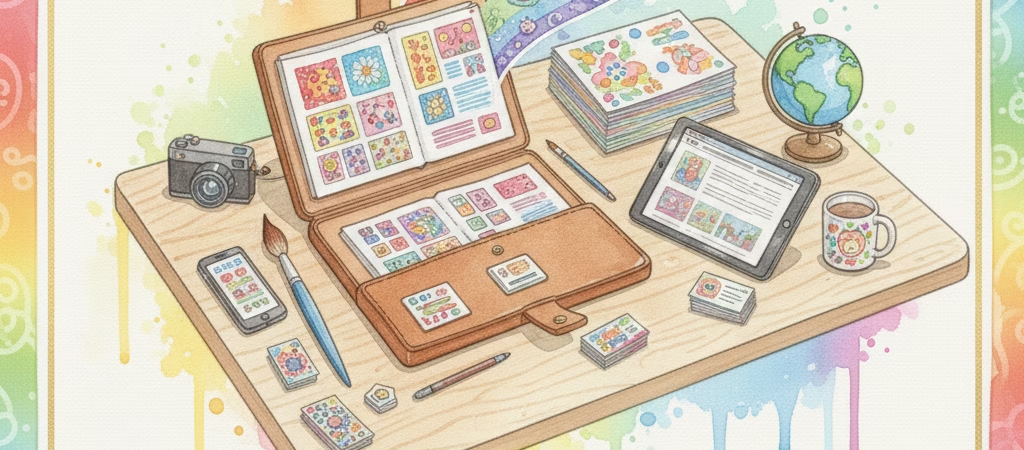
And yes, I bind my press kits. Pocket folders are where loose papers go to die.
Cover Page
Update your cover annually. Make it unmistakably yours — your colors, your style, your visual signature. A good cover says, “This is who I am,” before the reader even turns the page.
Title Page / Table of Contents
Include your logo, contact information, and a clean, bulleted table of contents. Organize it in order of importance for that specific market.
Working With (Your Name Here)
This is your “menu of services.” Make it easy for the reader to understand how they can work with you. For manufacturers, this might include product development, kit design, or project sheet creation. For editors, you might list article writing, step‑out photography, or first‑publication‑only policies.
Biography / Photo
Skip the loose 5″ x 7″ photo — it will vanish into the void. Instead, embed your photo directly into your bio page. Your biography should tell your story, but also connect your experience to the goals of the specific kit. If you’re pitching editors, highlight your writing and publishing experience. If you’re pitching manufacturers, emphasize design, product development, and market relevance.
If you are tempted to ditch the photo, let me explain why you want it in there; manufacturers and licensing agents meet a lot of designers. Whether they meet you in person, via video chat, or never see you in person, you photo puts what you look like in their head, so when they see it again, they recognize you. In other words, it’s important. Don’t skip it.
Resume / Curriculum Vitae
A press‑kit résumé can be longer than one page. If you think you don’t have enough to fill it, try this exercise: go back to high school and list every creative project you’ve ever done. You won’t include them all, but the process will jog your memory.
Mini‑Portfolio
Include scanned tear sheets of published work, collages of designs, or photos of original pieces. A collage is especially effective if you have a large body of work — it creates instant visual impact. If you haven’t been published yet, showcase original designs. Everyone starts somewhere.
Include a page for each book you’ve written, product you’ve licensed, etc., with a small cover image, interior photos, and selected reviews.
Business Card
One of the best pieces of advice I ever received was to ditch the overly decorative business card and replace it with a simple card featuring my press photo on the back. People meet dozens of designers at conventions. A photo helps them remember who you are. It’s not narcissistic — it’s practical branding.
Optional Items
If you’re building a brand, consider adding, if applicable:
- A Marketing Overview outlining your promotional strategy
- A list of upcoming projects and publications
- A PR section with articles, interviews, or TV appearances
These extras help position you as a professional with momentum.
Organization
Organize your résumé by category — writing, design, teaching, licensing — not by employer. And reorder the categories depending on the audience. (For example, writing goes first in an editorial kit; design goes first in a licensing kit.)
Your Press Kit’s Real Job
Your press kit is not just a collection of documents. It is your ambassador. It should:
- Establish your brand
- Communicate your goals
- Showcase your strengths
- Demonstrate your professionalism
- Make the reader think, “We need to work with this person”
In marketing terms, it communicates your “unique selling proposition” — the thing that sets you apart from every other designer in the room.
Verified Resources for Press Kit & Branding Guidance
- How to Create a Press Kit – HubSpot
(https://blog.hubspot.com/marketing/press-kit) - How to Build a Media Kit – Shopify
(https://www.shopify.com/blog/media-kit) - Press Kit Essentials – Indeed Career Guide
(https://www.indeed.com/career-advice/career-development/press-kit(indeed.com in Bing)) - Brand Identity Basics – Canva Design School
(https://www.canva.com/learn/brand-identity/(canva.com in Bing))